Introduction
Just imagine… if a plant grows without the base of natural soil, using a limited control of space with minimal water usage. Is that possible? Yes. This style of farming is called hydroponic farming.
Coco peat for hydroponic farming serves the role that actual soil does. The fast phase of modern crop farming is often restricted by the poor quality of soils and changing climates.
Through hydroponic farming, the plant can achieve its complete growth regardless of the climate and soil conditions.
Planting your favourite crop in any corner of the world is possible with this new normal hydroponic farming.
What Is Coco Peat and How Is It Made?
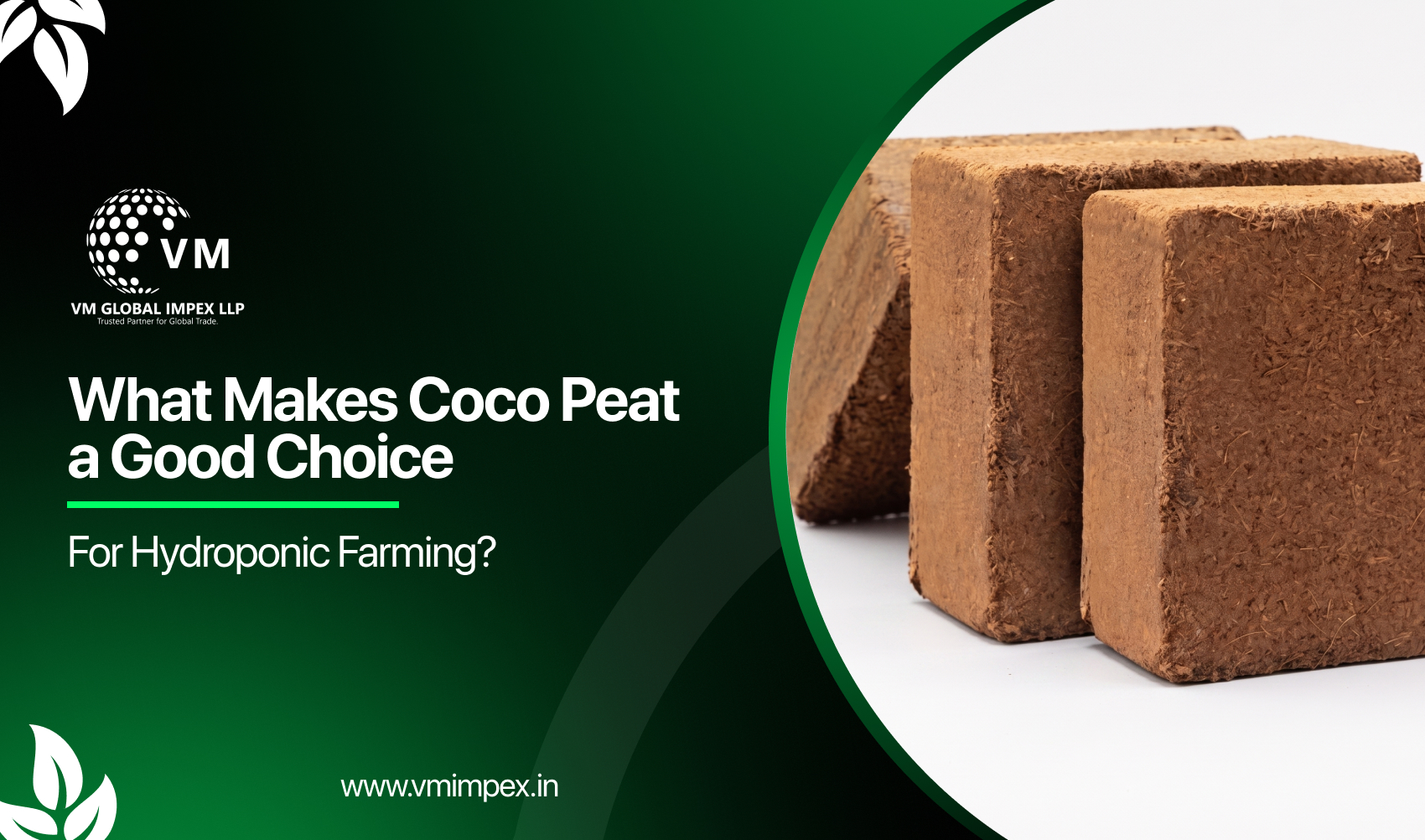
Coco peat is the spongy-textured product directly extracted from coconut husk. The manufacturing of cocopeat is a really interesting one.
The raw coconut shell is soaked in water. Later, it is completely left to dry. The inner part of coconut fibre is used to prepare mats, rope, mattresses, and more.
The remaining waste material is highly compressed and is taking the shape of blocks. In India, Kerala and Tamil Nadu are the leading coconut producers.
So, cocopeat manufacturers in India procure the coconut shells and start to manufacture the cocopeat coirs.Hydroponic coco peat is totally different from the normal cocopeat.
More than the normal category, the hydroponic variety requires commercial accreditations and certifications for foreign exports.
As a soilless growing medium, coco peat blends with many more natural advantages. Once you are ready for hydroponic farming, your plant is free from dwelling insects and eggs, and there is no pest usage in the soil.
What Are The Key Properties That Are Ideal For Hydroponics?
Ideal Medium: Hydroponic coco peat, a clean, soil-free base, promotes more oxygen supply and a disease-free farming setup.
Water Logging Eliminator: Coco peat water retention capacity steadily feeds the roots without sogging due to its water absorption. However, more than 8 times its dry weight holds water to maintain constant moisture.
Aeration Process: Hydroponic coco peat maintains an ideal circulation with a cycle of 80/20 air-water only in the root zone.
Stable PH level: With a near-neutral pH of 5.8 to 6.5 of coco peat for hydroponic farming, completely control the nutrient uptake, and this solution eases farming management with predictable outcomes.
Why is EC level gaining importance in hydroponic cocopeat?
Raw coconut peat naturally retains more salt content. While processing coco coir, removing salt content from the coconut husk part is a separate procedure.
It helps to avoid growth disturbance with overfilling salt. In this stage, the EC level is maintained below 1.0 mS per cm, a farmer-friendly approach that is good for crop yield.
Salt toxicity poses greater risks, so controlling this level from the seedling stage is important.
During pre-treatment, applying calcium and magnesium helps to replace sodium and potassium ions, which are naturally present in coir and can block the absorption of other nutrients.
Removing these ions is a key procedure in the hydroponic coco peat manufacturing process.Hydroponic and horticulture experts highly recommend this soilless growing medium.
When sourcing the medium from cocopeat manufacturers in India or evaluating cocopeat exporters, always cross-check the salt wash and buffering certificates before purchasing hydroponic cocopeat to save your farming effort.
Coco Peat vs Rockwool — which suits hydroponic farming?
When choosing a coir growing medium for hydroponics, it is always vital to consider. The major reason is that it’s a method of soilless farming.
While searching for the coco peat, rockwool also appears to be its opponent. Then the debate between coco peat and rockwool comes down and creates confusion about which to choose.
For this concern, you can consider these major features :
- Biodegradable
- Ease of use
- Safe handling
- Reusable
- Cost effectiveness
Coco peat suits all farming environments in all seasons. Bare handling of hydroponic cocopeat makes farming easy.
By its nature of fully compostable use, 100% organic outcome is achievable. A premium cocopeat reusable across two to three grow cycles.
Besides the cost-effective choice for the coco peat, scale your business growth with larger profits.
Using rockwool medium gloves and a mask is recommended for farmers due to the fiber inhalation risk. It should be disposable from time to time; the replacement cost is high.
Rockwool base filling needs more speculation and care. Eco-friendliness, safety, and sustainability are a great question in rockwool farming culture.
Which Coco Peat Product Works Best for Hydroponics?
Choosing the right coco peat medium relies entirely on crop type and its growing system, designed for its free cultivation.
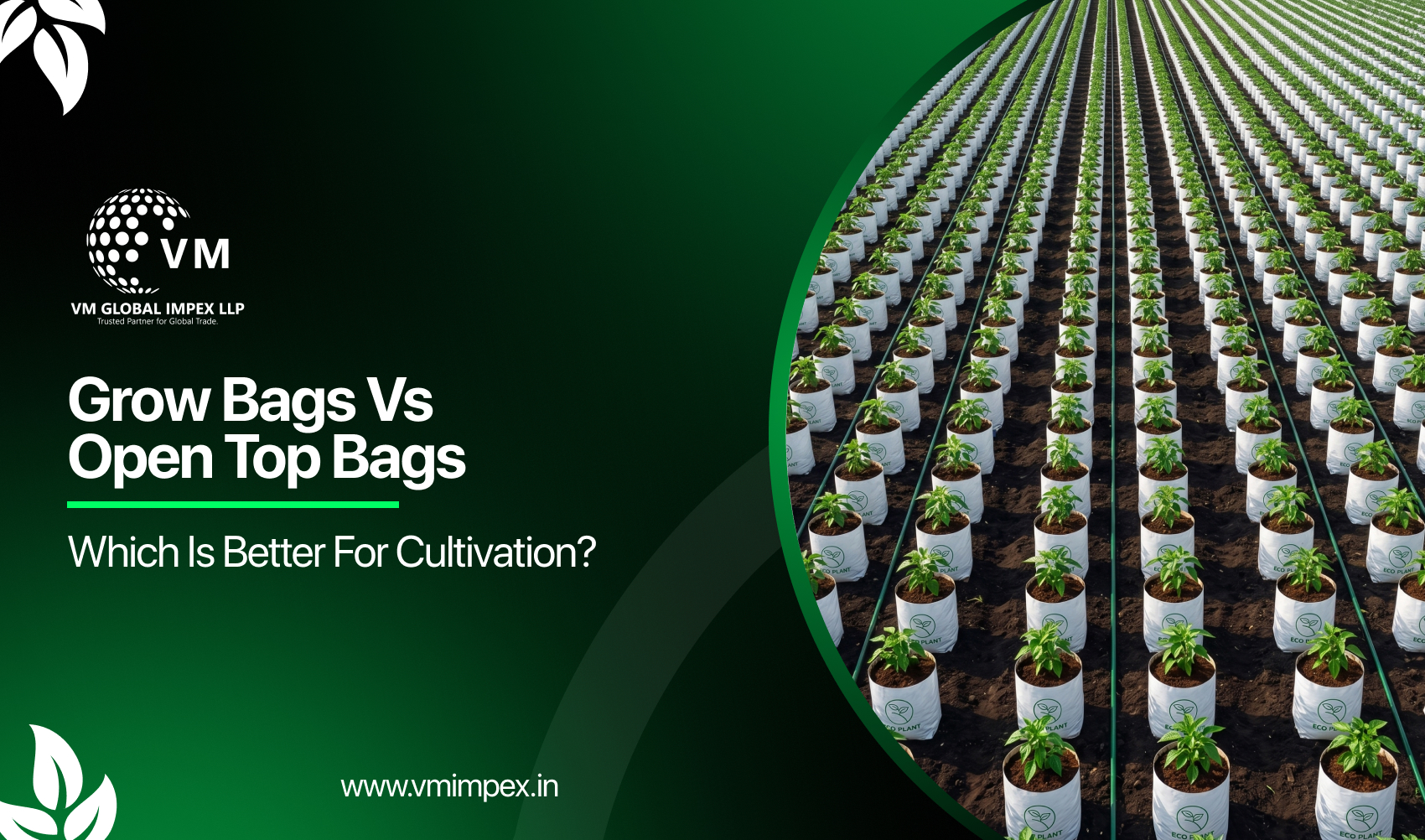
More than cocopeat, grow bags are the best choice for long-term crops. Contained root zone, convenient and adequate moisture retention, and time-to-time replacements are highly desirable qualities of grow bags.
Hydroponic crops need independent growth under a controlled environment; eventually, the custom-filling process provides essential nutrients.
However, coir grow bags, coco chips, and pith are all welcoming the air and water with their open-pore pockets to ensure a more friendly atmosphere.
Most of the time, the balance of water retention and moisture maintenance without natural soil is complicated.
PH level maintenance, seed germination, and each propagation stage require a free, convenient environment, where quality is greatly achieved in hydroponic coco peats.
Wrap up – Coco Peat Belongs in Every Hydroponic System:
Shifting to new soil-free farming is the upcoming trend. This farming culture breakdown of the custom of seasonal crop and fruit cultivation.
Western countries are switching from this style to attain sustainable growth with pest-free, 100% reusable growing medium. Finding smart, technically advanced solutions is in high demand.
Using them wisely saves time, and predictable growth is explicit once you go with the right biodegradable products.
VM Global Impex, one of the front-line cocopeat manufacturers in India, supplies premium quality growing mediums.
For hydroponic farmers, there is no compromise to be convinced, yet being free of complicated field work contributes to measurable crop production. To know more details of the modern growing medium, follow us.
Conclusion
Switching to coco peat enables commercial growers to gain full control over their crop environment. With its excellent water retention, premium root zone aeration, neutral pH, and sustainable footprint, it stands out as the ultimate substrate for modern, high-yield agriculture. For buyers, sourcing washed, low-EC coir is key to securing these benefits without risk.
Frequently Asked Questions:
1. Do coco peat grow bags require drainage holes?
Yes. Adequate drainage is essential to flush out salt accumulations (from nutrient feeds) and excess water. Commercial grow bags have pre-punched drain slots or are cut manually during installation to prevent stagnant water, which can cause root asphyxiation.
2. What is the typical composition of a greenhouse grow slab?
Grow slabs usually contain a mix of fine coco peat and coarse coco husk chips. Standard ratios are 70% coco peat and 30% husk chips, or 50% of each. The chips create stable macro-pores that improve aeration, root anchorage, and drainage.
3.How long do UV-stabilized bags last in a greenhouse?
High-quality white-on-black LDPE coir sleeves are treated with UV stabilizers to resist degradation in intense greenhouse sunlight. They typically maintain structural integrity for 1 to 3 crop cycles (equivalent to 12 to 36 months of continuous usage) depending on crops and solar radiation.